Let them shout, India will answer with…: Harbhajan Singh shuts Pakistan’s Shaheen Afridi and Haris Rauf
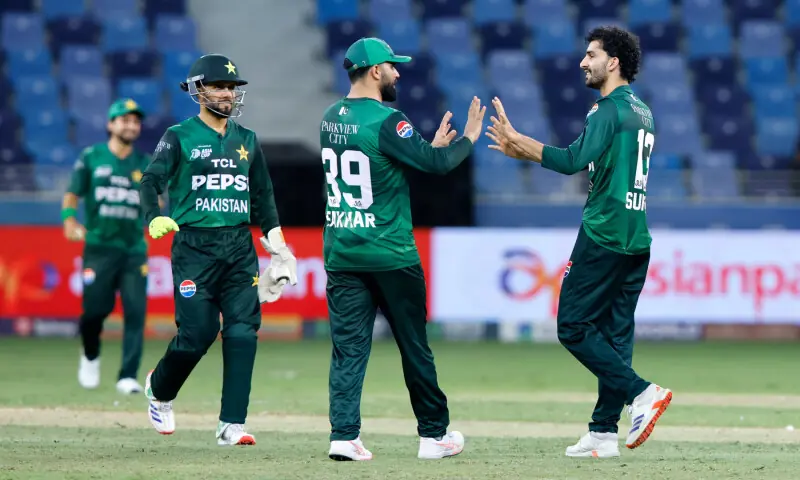
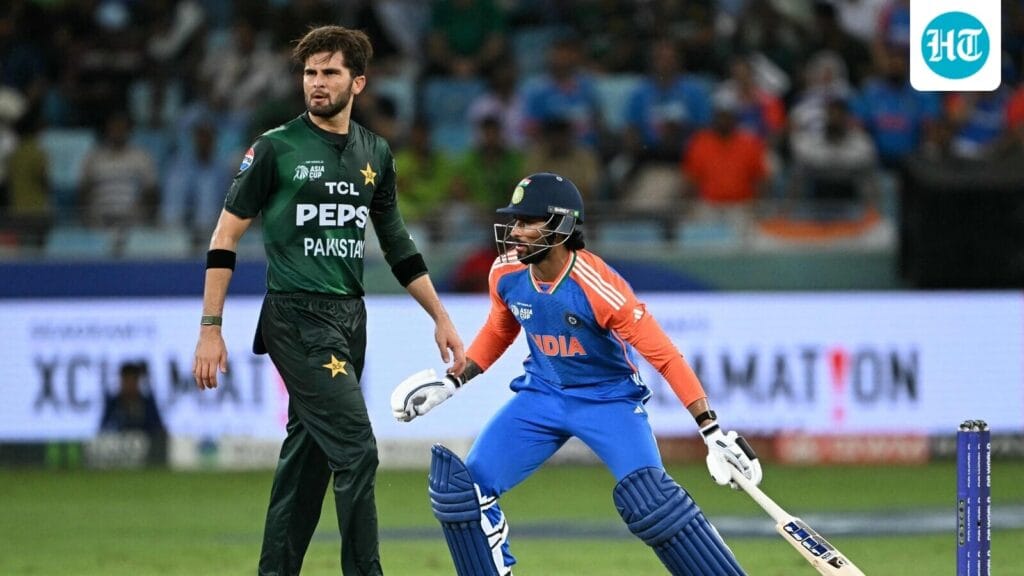
In the world of cricket, rivalries often ignite passions that go beyond the field. Recently, Indian cricketer Harbhajan Singh made headlines for his strong remarks directed at Pakistan’s fast bowlers, Shaheen Afridi and Haris Rauf. Harbhajan, a veteran spinner, displayed his unwavering confidence in the Indian cricket team’s ability to rise above external chatter and showcase its strength on the pitch.
Harbhajan Singh’s Perspective
Harbhajan Singh has always been vocal about his love for Indian cricket and the team’s resilience. His recent comments come in the wake of a series of exchanges between players from both sides, drawing attention to the competitive spirit that exists in cricket. Harbhajan firmly believes that no amount of verbal banter can undermine India’s commitment to performing at its best. He emphasizes that the team will respond to challenges with action, demonstrating skill and strategy rather than engaging in verbal disputes.
Importance of Mental Fortitude
Harbhajan’s statements shed light on a crucial aspect of sports: mental strength. In high-pressure scenarios, such as matches between India and Pakistan, a player’s mindset often dictates performance. Harbhajan argues that athletes should channel their focus into their game rather than letting distractions affect their performance. By maintaining a positive mindset and emphasizing teamwork, Indian players can better navigate the intense atmosphere of rivalry matches.
| Characteristic | Information |
|---|---|
| Name | Harbhajan Singh |
| Date of Birth | July 3, 1980 |
| Birthplace | Jalandhar, Punjab, India |
| Role | Off-spin bowler |
| International Career | 1998–2016 |
| Matches Played | 103 Tests, 236 ODIs, 28 T20Is |
| Major Achievements | 400 Test wickets; World Cup 2007 |
| Link for Reference | ESPN Cricinfo |
The Rivalry Context
The context of Harbhajan’s remarks is significant, as India-Pakistan cricket matches are more than just games; they are events that captivate millions. The history of these encounters adds layers of emotion and expectation to each match. This competitive history fuels players’ motivations, allowing them to showcase their prowess on the field.
Shaheen Afridi and Haris Rauf
Shaheen Afridi and Haris Rauf have made notable contributions to Pakistan’s bowling lineup. Afridi, known for his height and swing, has emerged as a pivotal bowler in the game. His ability to take early wickets often puts India in a challenging position. Rauf, on the other hand, is recognized for his pace and ability to deliver crucial breakthroughs during matches. Both players have showcased their talents on international platforms, making them significant opponents for the Indian cricket team.
Performance Pressure on Players
In high-stakes matches like India versus Pakistan, players face enormous pressure. Harbhajan’s call to “let them shout” serves as a reminder that such distractions are commonplace in competitive sports. Athletes must rise above external provocations and focus on their strategy and execution. This mental preparation is often as vital as skill development in reaching peak performance.
Strategy Over Banter
Harbhajan underscored the necessity of focusing on game strategy rather than participating in verbal exchanges. He advocates for intelligent gameplay that prioritizes runs scored and wickets taken over social media battles. Effective communication among teammates, coupled with a comprehensive understanding of the opposition, becomes paramount when navigating the complexities of a match.
Engaging with Fans
Cricket fans are crucial to the game’s ecosystem. They contribute to the vibrant atmosphere during matches, creating an environment full of support and engagement. Harbhajan’s remarks reflect an understanding of this dynamic. He encourages players to connect with fans through their performances rather than getting drawn into controversies that may overshadow the sport.
The Role of Leadership
Strong leadership can impact how players handle rivalry pressures. Harbhajan highlights the importance of having seasoned leaders within the team to guide younger players through challenging moments. Leadership fosters a culture of resilience, ensuring that each player understands the importance of focus and teamwork during high-pressure situations.
Media Coverage and Player Reactions
The role of media in shaping perceptions cannot be underestimated. After Harbhajan’s comments, media outlets intensified coverage of the Indian-Pakistani rivalry. Players are often subjected to scrutiny, and their reactions can influence their public persona. Harbhajan urges players to maintain their focus on the game, regardless of media narratives.
Preparing for the Match
Ahead of a match, the preparation process is critical. Players undergo rigorous training regimes, incorporating physical fitness and mental conditioning. Harbhajan emphasizes that being adequately prepared can help players remain composed when temptations to engage in banter arise.
Lessons from the Past
History has shown that focusing on non-cricket-related issues can lead to distractions and disappointing performances. The Indian team, through various ups and downs, has learned valuable lessons about the importance of maintaining a singular focus on cricket and not allowing external influences to detract from this goal.
Community and Cricket
Cricket connects communities and fosters a sense of belonging among fans. The intensity of the India-Pakistan rivalry contributes to an emotional investment that transcends sport. Harbhajan’s perspective underscores a collective aspiration: to demonstrate sportsmanship through skill and unity, despite the flames of rivalry.
The Future of the Rivalry
Looking forward, the India-Pakistan cricket rivalry will continue to evolve. Future interactions will likely see renewed battles between emerging talents like Afridi and Rauf against seasoned players. Harbhajan’s statements remain relevant as teams strive to prove their worth not through words but through exemplary on-field performance.
Conclusion
In essence, Harbhajan Singh’s remarks illuminate the heart of sportsmanship, advocating for resilience, strategy, and respect within the competitive landscape of cricket. India’s response to challenges will always rise from action and performance rather than words, forging a legacy of commitment and excellence in the sport.