Slot hits out at ‘stupid’ Ekitiké after red card for celebrating Liverpool winner | Carabao Cup
Following the Carabao Cup clash between Liverpool and his team, Slot criticized Hugo Ekitiké for receiving a red card after celebrating the last-minute winner. This decision led to an intense discussion about player conduct and the repercussions of emotional expressions on the field.
The Incident and Reaction
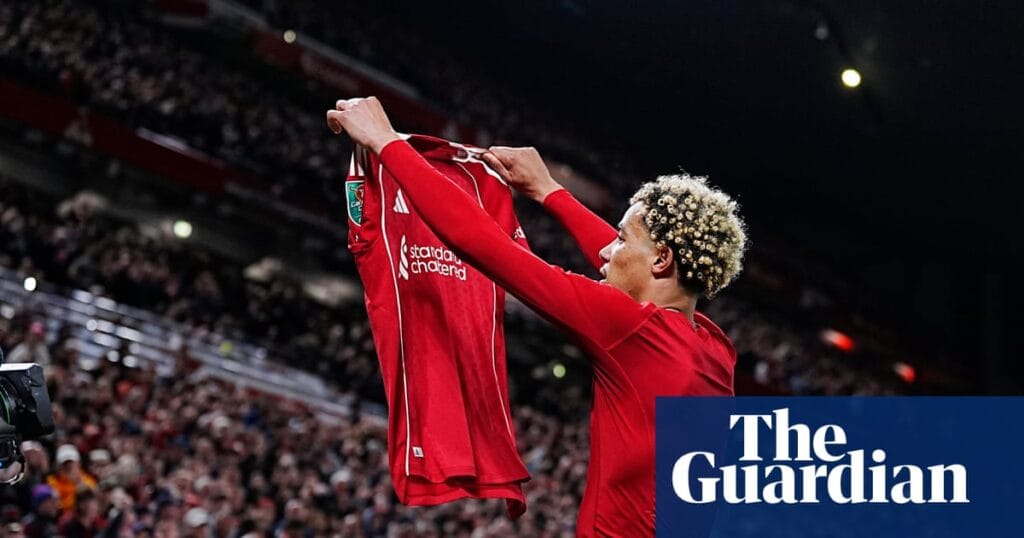
In the final minutes of the match, Ekitiké scored a dramatic winner, sending the stadium into a frenzy. His exuberant celebration, however, turned sour when he received a second yellow card for his actions. Slot’s immediate reaction was one of disbelief and frustration as he described the decision as “stupid.” His choice of words encapsulated the tension of the moment and the broader implications for player behavior in high-stakes matches.
Ekitiké, a young and talented forward, had been instrumental for his team before the incident. His inexperience in handling the pressure of critical moments came to light with this impulsive act. While celebrating is a natural response to scoring, the consequences can undermine both personal and team objectives.
The Impact of the Red Card
The sending-off not only affected Ekitiké’s participation in future matches but also put his team at a disadvantage in a crucial tournament. Slot emphasized the need for players to control their emotions in matches, particularly in significant games like the Carabao Cup. Such lapses can derail team strategies and lead to avoidable setbacks.
This incident raises questions about the balance between passion and professionalism in football. Ekitiké’s celebration was spontaneous, yet the repercussions highlight the importance of maintaining composure. Slot’s comments reflect a broader concern within the football community about how young players adapt to the pressures of elite-level competition.
Tactical Repercussions
Slot’s frustration also extends beyond Ekitiké’s actions. The red card forced him to re-evaluate his tactical approach. Compromised squad depth after losing a player to unnecessary fouls puts pressure on the remaining squad members. It forces the coach to reconsider formations and substitutions.
Moreover, Ekitiké’s absence complicates Slot’s planning for subsequent fixtures. Players often rely on one another, and losing a key contributor can hinder the team’s performance. Slot has to now prepare his remaining roster to fill the gap left by Ekitiké’s suspension.
| Bio Data of Hugo Ekitiké |
|---|
| Age: 21 |
| Nationality: French |
| Position: Forward |
| Current Club: Reims |
| Previous Clubs: PSG (Youth), Reims |
| Professional Debut: 2020 |
| Major Achievements: Ligue 1 Best Young Player |
| Career Goals: 15 |
| Reference: Transfermarkt |
Emotional Intelligence in Football
The incident is a reminder of the importance of emotional intelligence within football. While celebrating a goal is a fundamental part of the sport, players must balance joy with awareness of their actions. Football clubs increasingly emphasize psychological training, knowing its importance in player development. Coaches stress the need for players to manage their emotions more effectively, particularly during high-pressure situations.
Slot’s candid criticism reflects a broader trend in the sport. Teams are progressively focusing on holistic player development, which includes technique, physical conditioning, and emotional resilience. Developing this emotional intelligence helps players make better decisions in crucial moments, reducing the likelihood of unnecessary penalties or disciplinary actions.
Learning from Mistakes
For Ekitiké, this incident serves as a fundamental lesson. Every player faces setbacks, but how they respond defines their career trajectory. Slot’s hope is that Ekitiké can learn from this experience and approach future situations with greater understanding. This step is necessary for maintaining both individual and team integrity.
As Slot stated, “We cannot afford to give up our advantage due to impulsive reactions.” The emphasis on learning from mistakes is critical for player growth. Developing a mature attitude on and off the pitch can lead to long-lasting success.
The Team’s Response
Slot now faces the challenge of managing team morale after the incident. Support for Ekitiké is essential, as he will undoubtedly feel the weight of his actions. It is crucial for players to understand that mistakes happen but learning and moving forward is what channels improvement.
Team dynamics can shift after such events. Slot must encourage a culture of accountability without suppressing enthusiasm. Building this balance is vital for fostering a cohesive unit where every player feels valued while respecting the game’s rules.
Conclusion: Moving Forward
The fallout from this incident has made clear the importance of maintaining emotional control in football. Ekitiké’s red card offers a crucial teaching moment for both him and the broader football community.
Slot’s perspective highlights the responsibility that comes with being a professional athlete. Every action counts, and understanding the weight of those actions is crucial for sustained success.
As the season progresses, fans and pundits alike will watch Ekitiké’s journey closely. This incident may well define not just his immediate future but also his long-term career in football. Balancing passion with professionalism will be key.
In conclusion, the red card incident serves as a critical learning moment for Ekitiké and for the wider sport itself. Emotions run high in professional sports, but the ability to manage those emotions can make or break a player’s career.